

Losing a large amount of weight, whether through a GLP-1 medication like Ozempic, bariatric surgery, or diet and lifestyle change, changes far more than the number on the scale. It also changes what your skin can do. Diet and exercise can reduce body fat, but they cannot always reduce the skin that once stretched to cover it. That is where body contouring after weight loss in Madison comes in.
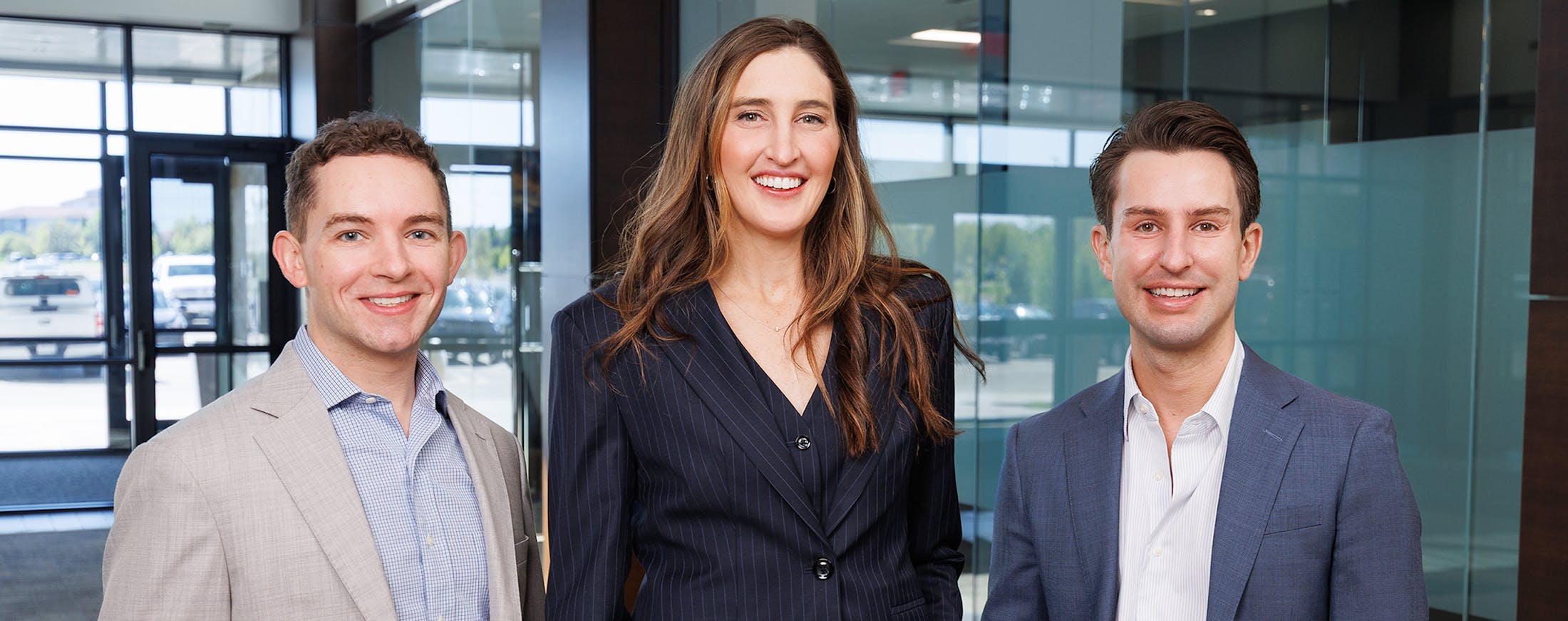
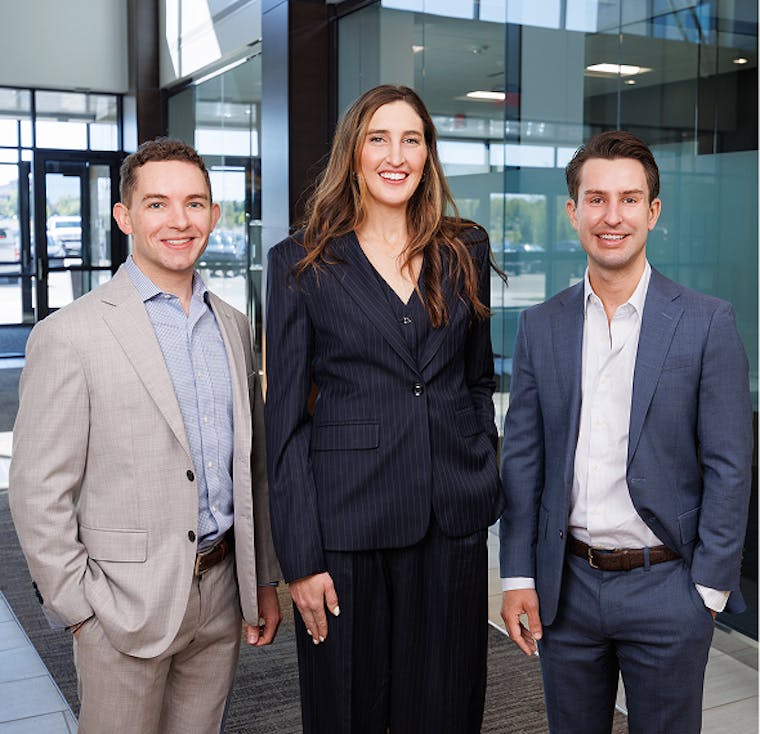
Madison Plastic Surgery is a boutique, 100 percent cosmetic practice built around precision and natural-looking results, and our surgeons, Dr. Kyle Luvisa, Dr. Ellen Via, and Dr. Peter Wirth, bring fellowship-level aesthetic training from UCLA, UW-Madison, and Manhattan Eye, Ear & Throat Hospital to every case. Our team helps patients address loose, sagging skin left behind after major weight loss with surgical plans built around each patient's anatomy and goals, performed in our own fully accredited surgical suite in Madison.
Why Loose Skin Happens After Rapid Weight Loss
Loose skin develops because skin relies on collagen and elastin to stretch and then spring back into shape. According to the Cleveland Clinic, rapid weight loss can cause loose skin because those fibers don't have time to retract before the underlying fat is gone.
Several factors affect how much loose skin remains after weight loss:
- Amount of weight lost: Larger losses stretch skin further, so more tends to remain behind.
- Speed of weight loss: Rapid loss, common with GLP-1 medications, often outpaces the skin's ability to adjust.
- Age and skin quality: Older skin naturally contains less collagen and recoils less effectively.
- Duration of excess weight: The longer the skin stays stretched, the less elasticity it tends to have left.
Genetics and sun exposure also play a role, which is why two patients who lose similar amounts of weight can end up with very different results.
How GLP-1 Medications Have Changed the Body Contouring Conversation
GLP-1 medications have brought a new wave of patients into body contouring who previously would have reached this point only after bariatric surgery.
The American Society of Plastic Surgeons' 2024 Procedural Statistics Report tracked GLP-1 medication use among aesthetic patients for the first time, finding that more than 800,000 patients under the care of ASPS member surgeons were using these medications.
Of that group:
- 20 percent had already undergone plastic surgery
- 39 percent were considering a surgical procedure
- 41 percent were considering a nonsurgical option
Because GLP-1-mediated weight loss often occurs faster than the skin can keep up with, many patients notice laxity in the abdomen, arms, thighs, breasts, and face well before they reach their goal weight.
Body contouring will not substitute for the medical supervision of a weight-loss program, but it can help patients complete the physical transformation once their weight has stabilized.
Common Body Contouring Procedures After Weight Loss
Common procedures include:
- Tummy tuck (abdominoplasty) to remove excess abdominal skin and tighten weakened muscle
- Body lift to address skin laxity around the abdomen, hips, and buttocks in one coordinated procedure
- Arm lift (brachioplasty) for sagging skin along the upper arms
- Thigh lift to reduce loose skin and chafing along the inner or outer thighs
- Breast lift, with or without augmentation, for volume loss and skin laxity following weight loss
- Liposuction or fat transfer, often paired with a lift, to refine contour and restore proportion where volume has changed